
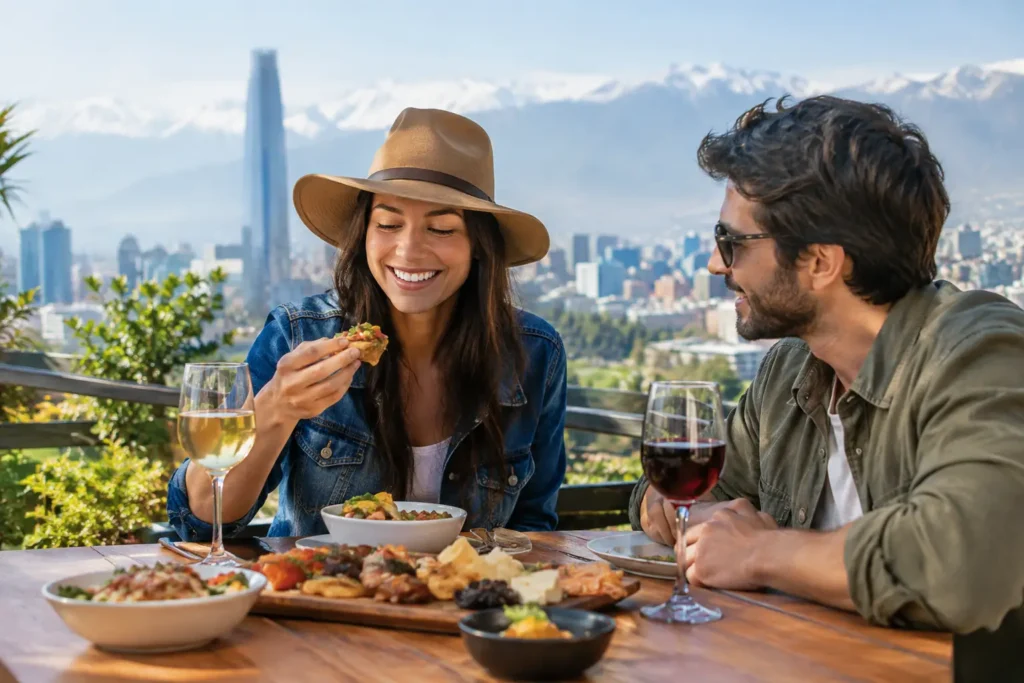
A pisco sour at a neighborhood bar, warm empanadas fresh from the oven, a glass of Carménère chosen with confidence – Santiago food tours can turn a good city visit into a much more personal introduction to Chile. The difference is not simply what you eat. It is having the time, context, and comfortable transportation to understand why certain dishes matter and where locals actually return.
For travelers using Santiago as a base for wine country, the coast, or the Andes, a thoughtfully planned culinary experience is also an efficient way to get oriented. You can learn the flavor profile of Chilean wines, get clear on regional ingredients, and leave with restaurant recommendations suited to your schedule rather than a generic list.
What Makes Santiago Food Tours Memorable
Santiago is a large, modern capital with food experiences spread across very different neighborhoods. A market visit feels different from lunch in Lastarria or a wine-focused dinner in Vitacura. The city also changes pace throughout the day: a bakery is best in the morning, a market comes alive before lunch, and many of Santiago’s most enjoyable dining rooms make sense only after the workday has eased.
That is why a food tour should be more than a sequence of tastings. A capable local guide can build a route around your interests while explaining Chile’s mix of Indigenous traditions, Spanish influence, European immigration, long coastline, and agricultural valleys. You may taste humble street favorites alongside carefully prepared modern Chilean cuisine, but each stop should have a purpose.
For first-time visitors, the practical value is just as significant. Santiago’s neighborhoods are easy to enjoy when you know where you are going, yet choosing venues, arranging transportation, and navigating timing can consume a limited day. Private planning keeps the experience relaxed, especially for couples, families, and small groups who prefer not to follow a fixed group schedule.
The Flavors to Look For in Santiago
Chile is often introduced through wine, and rightly so, but its food is broader and more regional than many visitors expect. A well-designed culinary itinerary creates room for both familiar classics and a few surprises.
Empanadas are an excellent starting point. The traditional empanada de pino is filled with seasoned beef, onions, egg, olive, and sometimes raisins. Every kitchen has its own balance of spices and sweetness, so this is not a dish to judge from one sample. You may also encounter seafood fillings, cheese empanadas, or the smaller fried versions served as snacks.
Chilean bread deserves attention as well. Marraqueta, a crusty, airy roll, appears at breakfast tables and sandwich counters across the city. Hallullas are softer and richer. Paired with pebre – a bright Chilean condiment made with cilantro, tomato, onion, chile, and seasoning – fresh bread offers a simple but revealing taste of everyday Santiago.
Seafood can be outstanding despite Santiago being inland. Chile’s long Pacific coast supplies the capital with fish, shellfish, crab, and the prized king crab known as centolla. The best choice depends on season, restaurant sourcing, and your comfort with raw preparations. A guide can suggest a polished seafood lunch or a more casual local option without pushing you toward a dish that does not suit your tastes.
Then there is pastel de choclo, a baked corn-topped dish with a savory filling, and cazuela, a comforting broth often prepared with chicken or beef, vegetables, and potato. These are not necessarily flashy plates, but they provide a clearer sense of Chilean home cooking than a menu designed only for visitors.
Wine Is Part of the Conversation
Santiago sits close to several important wine regions, so even a city-based food experience can offer a useful introduction to Chilean wine. Carménère is the signature red many travelers want to try, known for dark fruit, herbal notes, and a supple structure. Cabernet Sauvignon remains a major strength, while coastal-influenced whites from Casablanca Valley, including Sauvignon Blanc and Chardonnay, offer another side of the country.
The right pairing depends on the meal and your preferences. A light white may complement ceviche or shellfish beautifully, while a structured Maipo Valley red fits grilled meats. Travelers who are already planning a Casablanca Valley or Maipo Valley wine day may prefer a city food tour that focuses less on formal tasting and more on neighborhood dishes, cocktail culture, or chef-led dining. There is no need to repeat the same experience twice.
How to Choose Between Public and Private Food Experiences
Small-group food tours can be a pleasant option for travelers who enjoy meeting others and are comfortable with a set route. They can work especially well for a short introduction to central Santiago. The trade-off is limited flexibility: dietary needs, walking pace, restaurant preferences, and timing are generally shared decisions.
Private Santiago food tours are a stronger fit when the day needs to work around you. Perhaps you have just arrived after a long flight, are traveling with children, want to avoid lengthy walks, or have a dinner reservation later that evening. A private guide can adjust start times, arrange hotel pickup, select comfortable stops, and shape the day around wine, coffee, markets, seafood, vegetarian dishes, or traditional cooking.
This is also valuable for guests with allergies or dietary restrictions. Chilean cuisine includes many naturally appealing vegetarian elements, but ingredient details can be unclear in a busy market or informal restaurant. Advance planning allows the guide to communicate your requirements and choose establishments where you can enjoy the experience with greater confidence. No food tour can promise an allergen-free environment, but professional coordination reduces avoidable uncertainty.
Build the Day Around Your Travel Style
A satisfying culinary route should match the rest of your Santiago plans. If you have only one full day in the city, a morning market visit followed by a neighborhood lunch can pair naturally with a private city tour. You see major landmarks and distinct districts while leaving enough time to sit down and enjoy the food rather than rushing through it.
For business travelers, a shorter lunch-focused experience can be more useful than an evening program with multiple stops. It offers local perspective without placing pressure on a tightly scheduled day. Cruise guests traveling from Valparaíso need especially careful timing: transport, port schedules, and return windows should lead the plan, not be added afterward.
Couples often enjoy a slower format with a wine bar, a refined lunch, or a chef-selected tasting menu. Families may prefer familiar dishes mixed with one or two adventurous tastings, along with reliable private transportation between locations. Food-focused travelers can go deeper, combining Santiago dining with a separate full-day wine-country visit or a coastal itinerary where seafood is the centerpiece.
At Private Tour Santiago, these details are handled before the day begins, from hotel pickup and route design to restaurant style and pacing. The goal is elegant service without making the experience feel scripted.
Practical Details That Improve the Experience
Plan food tours early in your stay when possible. The knowledge carries forward: you will understand menu terms, recognize wines you enjoy, and have better recommendations for independent meals later in the trip. Morning and lunchtime tours are often easier to coordinate with sightseeing, while evening experiences suit guests who want a more social, dining-led occasion.
Comfortable shoes remain sensible even with private transport, since markets and heritage neighborhoods are best experienced on foot for short stretches. Bring layers as Santiago temperatures can shift between a cool morning and warm afternoon, particularly in spring and fall. If you plan to taste wine or cocktails, arranging a private vehicle is the comfortable, responsible choice.
Be candid about your preferences. Tell your guide if you dislike cilantro, prefer mild food, want only premium restaurants, are curious about street snacks, or would rather spend more time at one excellent table than visit several venues. The best itinerary is not the one with the most tastings. It is the one that feels generous, well-paced, and genuinely suited to you.
A memorable meal in Santiago rarely depends on finding one secret address. It comes from being welcomed into the city at the right pace, with someone who knows how its markets, kitchens, neighborhoods, and wine culture fit together.