Chile Guide
History of Chile
Discover the key moments that shaped Chile, from Indigenous cultures and Spanish colonization to independence, modernization, and contemporary democracy. This overview gives travelers helpful context for the places, monuments, and traditions they encounter across the country.
A Traveler’s Historical Overview
Chile’s history is long, layered, and deeply connected to its geography. Mountains, deserts, fertile valleys, and the Pacific coast all influenced how communities lived, traded, fought, and built identity over time.
Origins
Before the Spanish
Long before the arrival of Europeans, the territory that is now Chile was home to diverse Indigenous peoples, including the Mapuche in the south, the Aymara in the north, and communities connected to the Inca world in the highlands. Their agricultural knowledge, trade routes, spiritual traditions, and resistance to outside control remain essential to understanding Chilean identity today.
Empire
Colonial Chile
Spanish rule began in the 16th century and reshaped cities, religion, land ownership, and political power. Santiago was founded in 1541 and became the colonial center. Churches, plazas, and administrative buildings from this era still influence the layout of historic districts travelers visit today, even as frontier conflict with Indigenous communities continued for centuries.

Nationhood
Independence and Republic
Chile’s independence process began in 1810 and was consolidated after years of conflict, with figures such as Bernardo O’Higgins playing a central role. During the 19th century, the republic expanded institutions, strengthened export agriculture and mining, and projected state power across its territory. Many monuments, civic buildings, and national symbols seen in Santiago reflect this period of nation-building.
Modern Chile
Conflict, Change, and Democracy
The late 19th and 20th centuries brought major transformation. The War of the Pacific expanded Chilean territory in the north and increased the importance of nitrate wealth. In the 20th century, industrialization, labor movements, political reform, and social inequality shaped public life. The 1973 military coup and the dictatorship that followed left a profound mark on the country. Since the return to democracy in 1990, Chile has continued to debate memory, justice, development, and social change.
Why this matters for travelers
Museums, memorials, presidential buildings, and public squares often carry stories that connect directly to these events.
What you will notice
Chile’s cities combine colonial heritage, republican monuments, modern business districts, and contemporary public art in the same urban landscape.
Travel Context
How History Enriches Your Journey
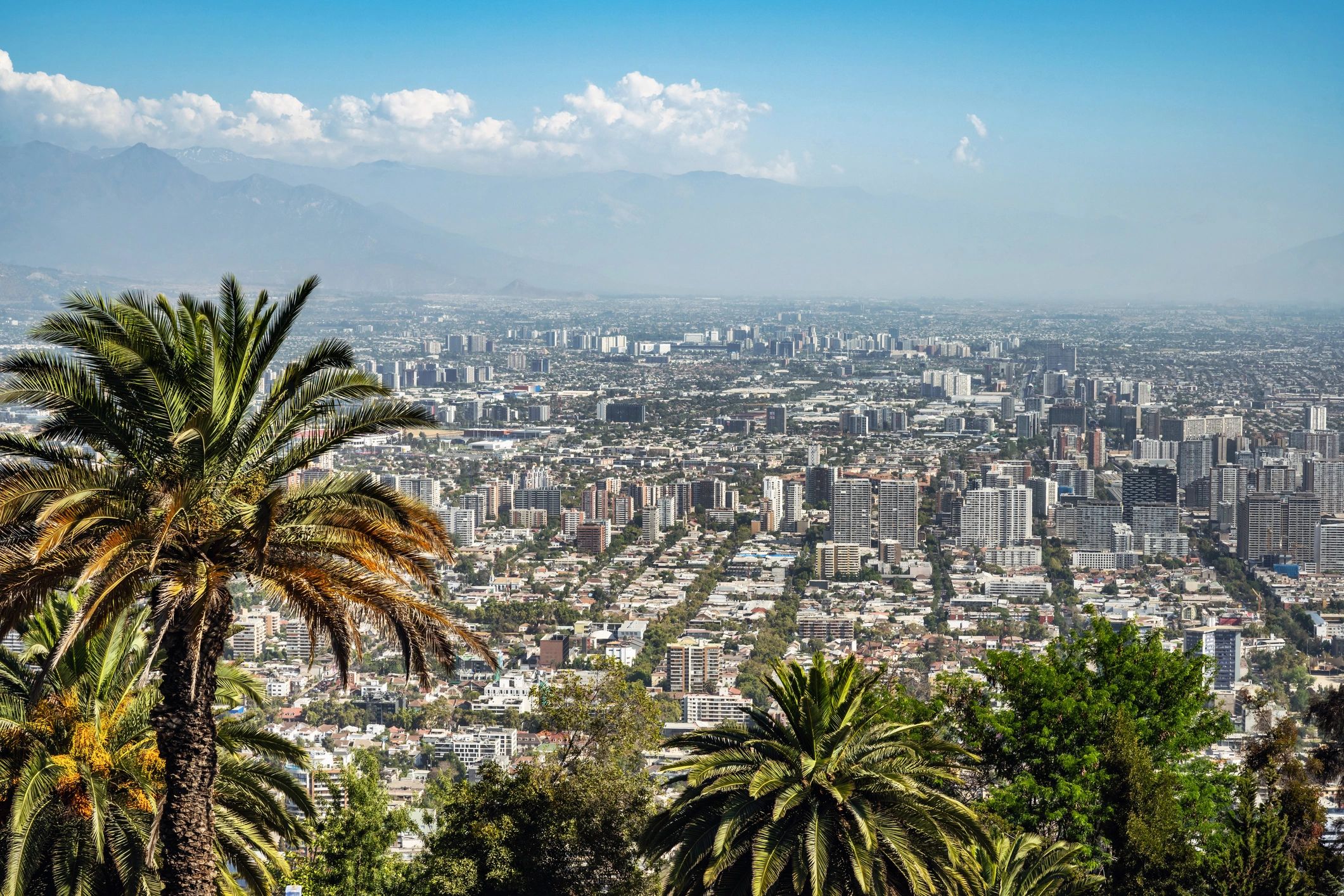
Understanding Chilean history adds depth to even the most scenic itinerary. A walk through downtown Santiago becomes more meaningful when you recognize the layers of colonial planning, independence politics, and modern civic life embedded in its streets and buildings.
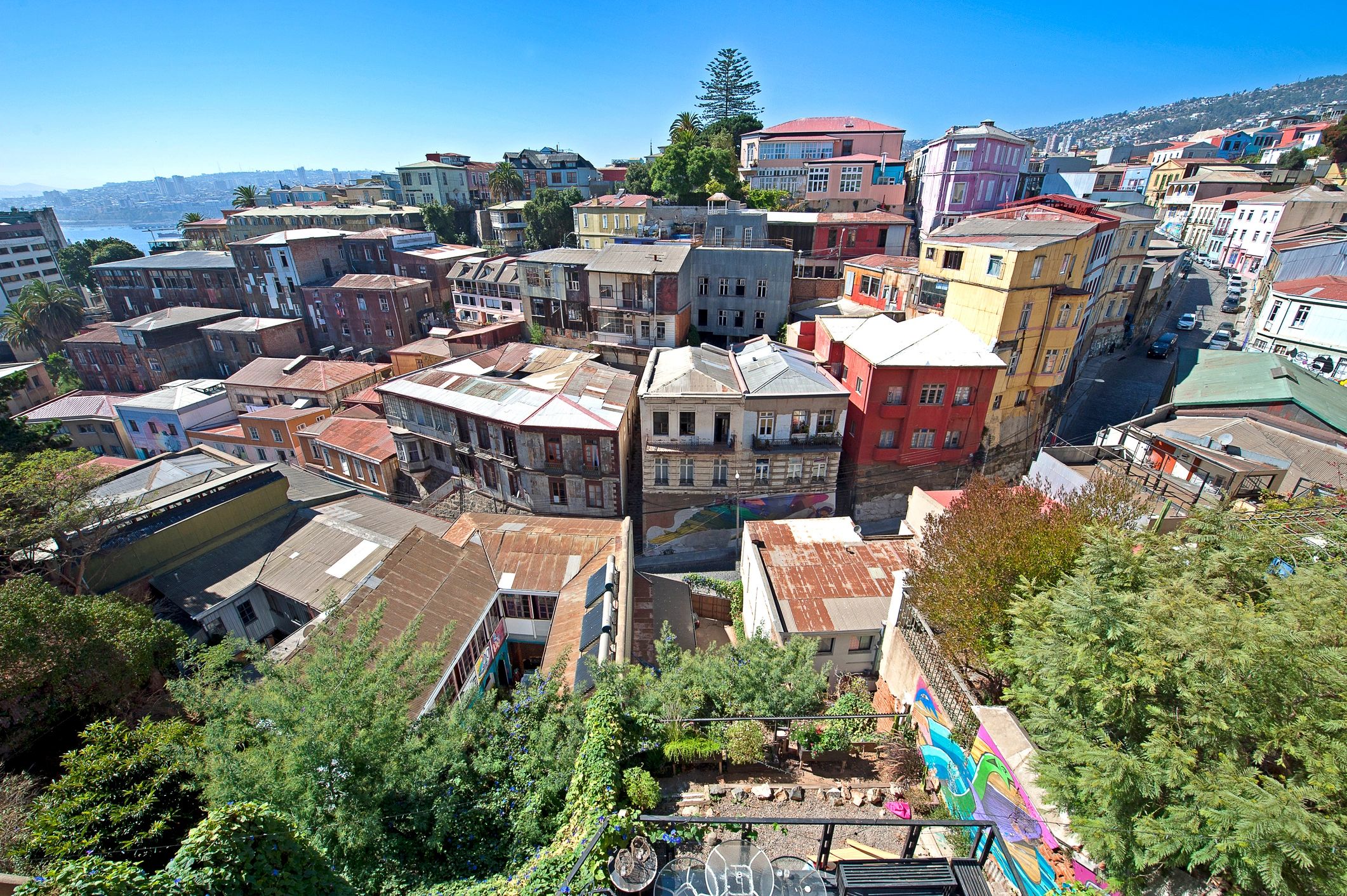
In Valparaíso, the port’s rise reflects Chile’s maritime connections, commercial ambition, and cosmopolitan past. In wine country, centuries of agricultural development and European influence help explain why vineyards became such an important part of the central valley landscape. In the Andes, geography itself tells a story about defense, trade, isolation, and connection.
Chile is best understood not as a single story, but as a meeting point of Indigenous heritage, colonial legacy, republican ambition, and modern democratic debate.
Private Tour Santiago
For travelers, this context turns landmarks into narratives. It helps explain local pride, regional identity, public memory, and the contrasts that make Chile such a compelling destination.