

Chile Guide
Chile Travel Tips
Plan your trip with practical advice on transportation, safety, money, etiquette, weather, and timing so you can travel through Chile with more confidence and less stress.
Traveler Advice
What to Know Before You Go
Transportation
Domestic flights save time on long distances, but within Santiago many visitors rely on private transfers, ride apps, and the Metro. Keep a little extra time for traffic during weekday rush hours.
Safety
Chile is generally comfortable for visitors, but use normal city awareness. Keep phones secure in busy areas, avoid displaying valuables, and use registered transport late at night.
Currency
The local currency is the Chilean peso. Cards are widely accepted in cities, hotels, and restaurants, but it is wise to carry some cash for tips, small shops, and rural stops.
Etiquette
A polite greeting goes a long way. Chileans appreciate courtesy, patience, and respectful conversation. Service can feel less rushed than in some countries, especially during meals.
Weather
Chile has very different climates by region. Santiago is dry and sunny for much of the year, evenings in wine country can cool quickly, and mountain conditions can change fast.
Trip Planning
Build in realistic travel times and avoid overloading your itinerary. Private touring works best when you combine a few priorities with flexibility for weather, traffic, and personal pace.
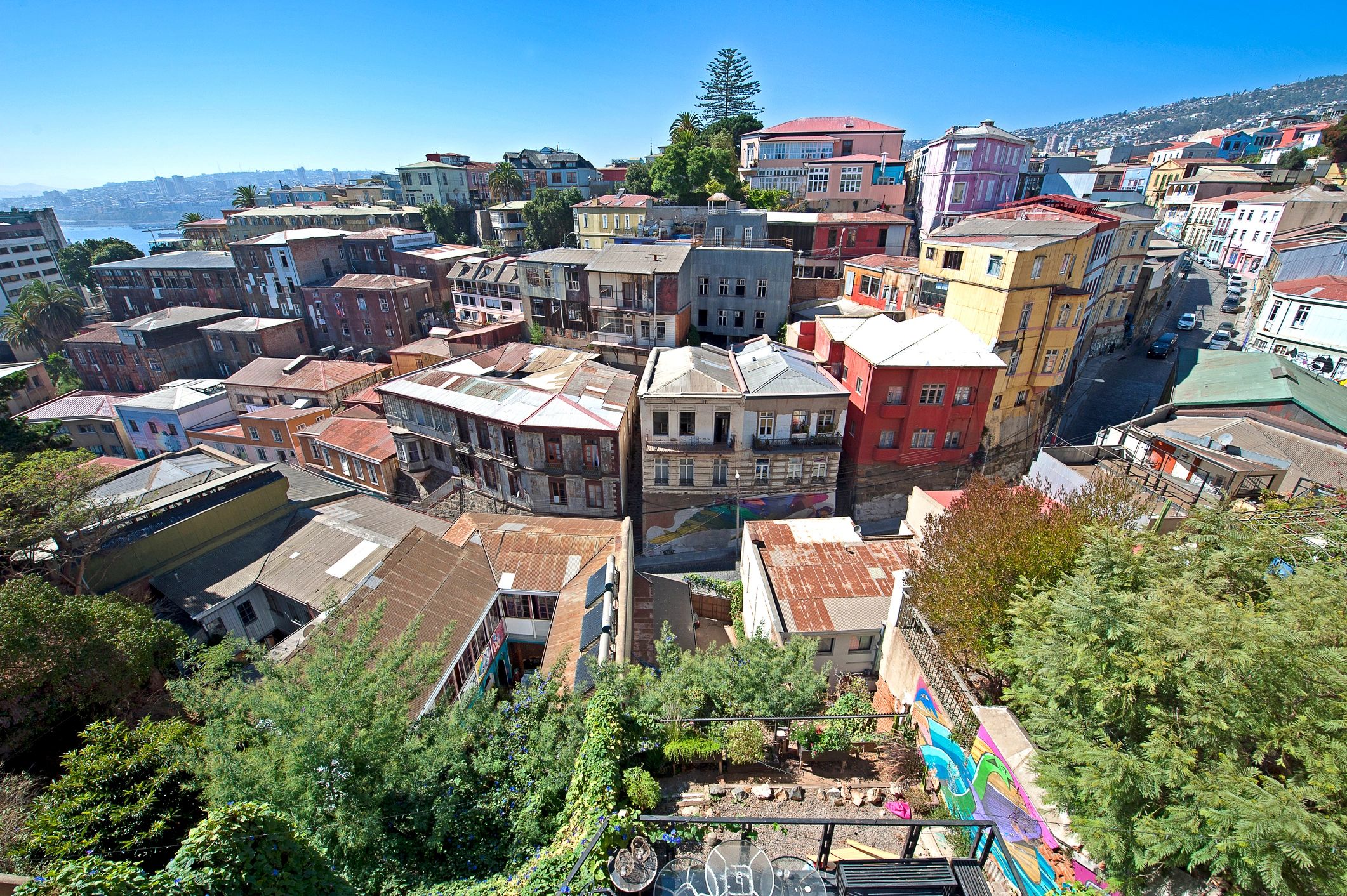
Plan for Chile’s Distances
Chile looks simple on a map, but travel times can be longer than many visitors expect. Even around Santiago, airport pickups, wine valleys, coastal cities, and mountain areas each require different timing and transport planning.
If you are arriving for a short stay, prioritize a few well-matched experiences instead of trying to cover too much. A private itinerary can help you combine comfort, local insight, and efficient routing while leaving room for meals, viewpoints, and unexpected highlights.
Frequently Asked Questions
Helpful answers for first-time visitors planning a trip to Chile.
Do I need cash in Chile?
Yes, a small amount is useful. Credit and debit cards are common in cities, but cash helps for tips, small cafés, local markets, and occasional rural stops.
Is Santiago easy to get around?
Yes, especially with a mix of private transport, ride apps, and the Metro. For airport arrivals, wine tours, or full-day excursions, pre-arranged transport is often the most comfortable option.
What should I pack for central Chile?
Bring layers. Days may be warm and sunny, while mornings, evenings, and higher elevations can feel much cooler. Comfortable walking shoes, sunscreen, and a light jacket are usually essential.
Is tipping expected?
In many restaurants, a service charge may be suggested on the bill. For guides and drivers, tipping is appreciated when service is professional and personalized, though it is still discretionary.
How many days should I spend in Santiago?
Many travelers enjoy two to four days in Santiago, with extra time for Valparaíso, wine country, or the Andes. The right length depends on whether you want a city stay or a broader regional itinerary.
When is the best time to visit Chile?
It depends on your route. Spring and autumn are excellent for central Chile, summer is popular for coast and wine regions, and winter works well for snow excursions and mountain scenery near Santiago.