
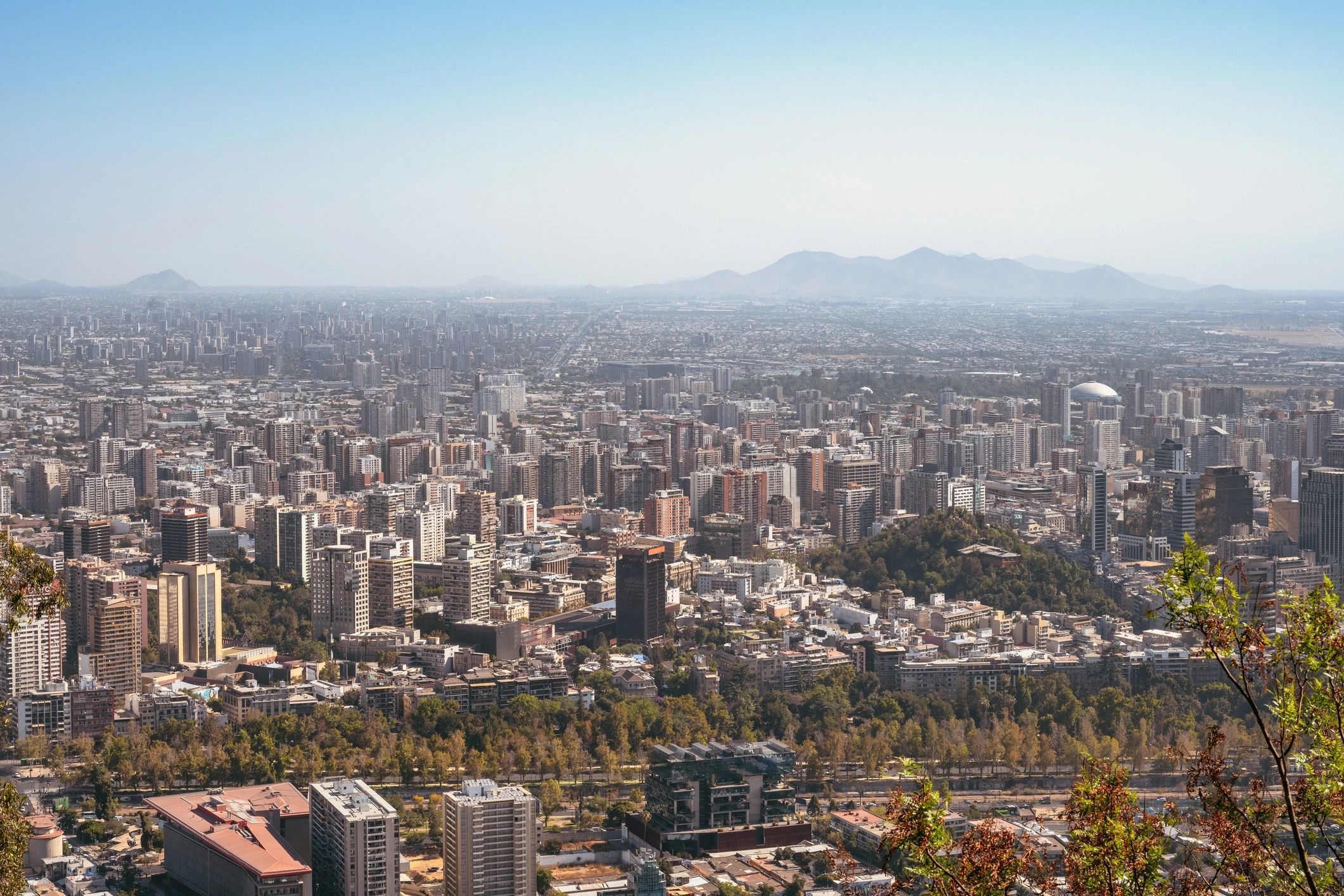
The Story of Santiago: History, Heritage, and the Must-See Landmarks
Discover how Santiago grew from a colonial settlement into one of South America’s most dynamic capitals, and explore the historic sites that bring Chile’s story to life.
Santiago is often the starting point for travelers exploring Chile, but the city is far more than a gateway to the Andes, the coast, or the wine valleys. For international visitors, Santiago offers a fascinating blend of colonial heritage, republican history, modern architecture, and everyday local life. Understanding the story of the city adds depth to every walk through its plazas, hills, museums, and historic neighborhoods.
If you are planning a Santiago City Tour, this guide will help you understand the origins of the capital and identify the main historical places worth visiting. It is also useful for travelers searching for the best private tours in Santiago and a more meaningful way to experience the city.
A Brief History of Santiago
Santiago was founded on February 12, 1541, by the Spanish conquistador Pedro de Valdivia. He chose the location because of its strategic position in the central valley, with the Mapocho River nearby and the Andes Mountains creating a dramatic natural backdrop. Long before the Spanish arrived, however, the area was already inhabited by Indigenous communities, especially the Picunche people, whose presence formed part of the deeper cultural history of the region.
During the colonial period, Santiago developed as an administrative and religious center. Over time, churches, government buildings, and aristocratic homes shaped the urban core around what is now Plaza de Armas. In the nineteenth century, after Chile’s independence, the city expanded and modernized. Public buildings, boulevards, and civic institutions reflected the ambitions of a young republic. In the twentieth and twenty-first centuries, Santiago continued to evolve into a major financial, political, and cultural capital while preserving important traces of its past.
Why Santiago Matters in Chilean History
- It is the political capital of Chile and home to major government institutions.
- It played a central role in the colonial period and the independence era.
- Its historic center preserves key landmarks connected to religion, politics, and civic life.
- Its neighborhoods reveal how Chilean society changed over the centuries.
- It offers easy access to cultural sites, viewpoints, museums, and traditional markets.
Main Historical Sites to Visit in Santiago
Plaza de Armas
Plaza de Armas is the historic heart of Santiago and the natural place to begin any introduction to the city. Since the colonial era, it has served as a civic and social gathering point. Around the square, travelers can admire important buildings that reflect different chapters of Santiago’s development. The atmosphere is lively, and the plaza remains one of the best places to observe local life while standing in the symbolic center of the capital.
Santiago Metropolitan Cathedral
Located on Plaza de Armas, the Metropolitan Cathedral is one of the city’s most important religious landmarks. Its current structure reflects centuries of rebuilding after earthquakes and changing architectural tastes. Inside, visitors will find elegant altars, religious art, and a peaceful contrast to the busy square outside. It is an essential stop for travelers interested in colonial heritage and the role of the Catholic Church in Chilean history.
Central Post Office and National History Museum
Also facing Plaza de Armas, these buildings help explain the institutional life of Santiago. The National History Museum is especially valuable for visitors who want context before exploring the city further. Its exhibitions trace Chile’s political, social, and cultural evolution, making it an excellent complement to a guided city tour.
Cerro Santa Lucía
Santa Lucía Hill is one of the most iconic places in Santiago. This small hill is closely linked to the city’s foundation, as Pedro de Valdivia recognized its strategic importance when establishing the settlement. Today, it is a beautifully landscaped urban park with terraces, stairways, fountains, and panoramic viewpoints. For international travelers, it offers both historical significance and one of the most photogenic perspectives of central Santiago.
For many visitors, Santa Lucía Hill is where Santiago’s history becomes visible: the colonial past below, the modern skyline ahead, and the Andes rising in the distance.
La Moneda Palace
La Moneda is one of the most important buildings in Chile. Originally constructed as a colonial mint, it later became the presidential palace and remains the seat of government today. It is deeply connected to Chile’s republican history and modern political memory. The building’s elegant neoclassical design and ceremonial significance make it a key stop on any Santiago private tour.
Plaza de la Constitución
Located near La Moneda, this civic space offers a broader understanding of Santiago as the administrative center of the country. The area is ideal for travelers interested in Chile’s institutions, public monuments, and the urban design of the capital’s governmental district.
Barrio Lastarria
Lastarria combines historic architecture with a refined cultural atmosphere. Its streets, cafés, bookstores, and small galleries make it one of the most charming neighborhoods in central Santiago. While it feels contemporary and sophisticated, it also reflects the city’s intellectual and artistic life. It is a favorite stop for travelers who want history with a more local and elegant urban experience.
Barrio París-Londres
This small but memorable district is known for its European-inspired streetscape and historic buildings. It offers a quieter, more intimate side of central Santiago and is especially appealing to visitors interested in architecture, memory, and the layered identity of the city.
Mercado Central and the Historic Center
Although best known for seafood and local gastronomy, Mercado Central is also part of Santiago’s historical fabric. Exploring this area helps travelers connect architecture, commerce, and daily life. Nearby streets reveal how the city has long functioned as a meeting point for residents, merchants, and visitors from across Chile.
What International Travelers Should Not Miss
- A walk through Plaza de Armas to understand Santiago’s colonial origins.
- A visit to Santa Lucía Hill for history and panoramic views.
- An exterior stop at La Moneda to connect with Chile’s political story.
- Time in Lastarria for culture, architecture, and a more refined local atmosphere.
- A guided explanation of the city’s evolution from colonial settlement to modern capital.
Why Explore Santiago with a Private Guide
Many of Santiago’s most important landmarks are best appreciated with historical context. A private guide can explain the city’s colonial foundation, independence-era transformation, political significance, and neighborhood character in a way that makes each stop more meaningful. For travelers with limited time, a private experience also offers comfort, flexibility, and a more personalized pace.
At Private Tour Santiago, we design experiences for travelers who want more than a quick overview. Whether you are visiting for a short stay, arriving on business, or beginning a longer journey through Chile, our private tours combine local knowledge, comfort, and authentic insight.
Plan Your Visit to Santiago
If you would like to discover the city’s history, architecture, and most important landmarks in a comfortable and personalized way, explore our Santiago City Tour or contact us to request a custom itinerary. We also offer private tours in Santiago, wine experiences, and day trips designed around your interests.
Santiago rewards travelers who look beyond the surface. Its plazas, hills, palaces, and neighborhoods tell the story of Chile itself.
Leave a Reply